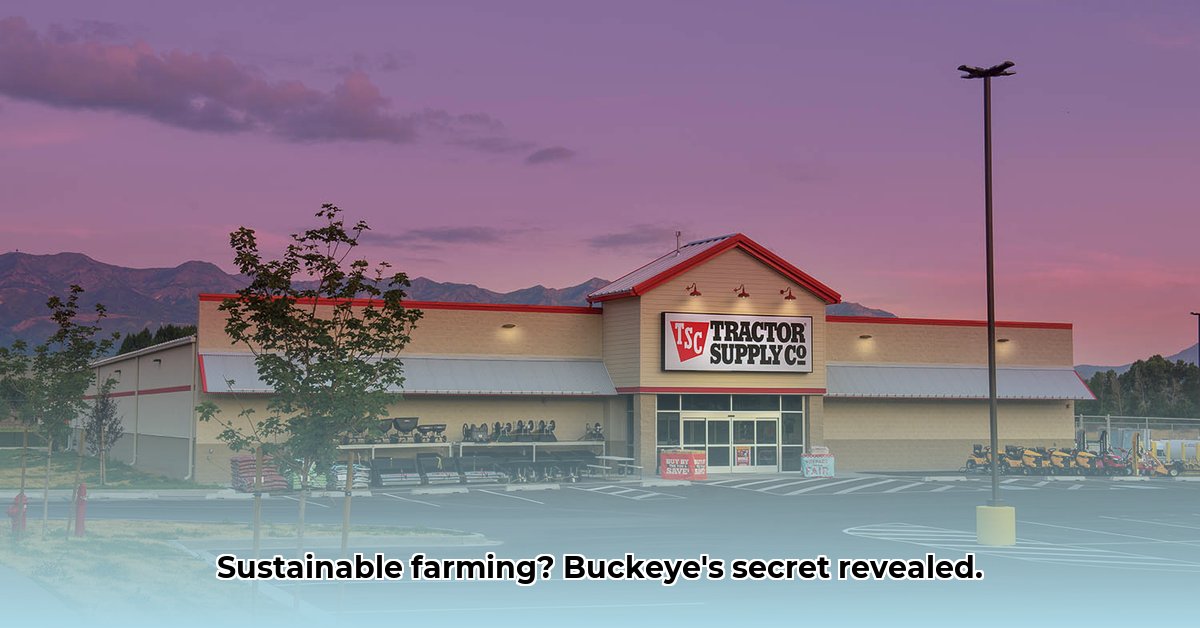
Tractor Supply Company (TSC) in Buckeye, Arizona, plays a significant role in the local agricultural landscape. This guide examines TSC's contribution to sustainable farming practices, highlighting both its positive impacts and areas for improvement. We'll provide actionable steps for farmers, consumers, TSC itself, and local government to foster a more environmentally conscious agricultural future in Buckeye. For more information on sustainable greenhouse practices, check out this helpful resource: Greenhouse Plastic Options.
Tractor Supply's Product Offerings: A Closer Look
TSC offers a wide range of products relevant to sustainable agriculture. However, understanding their environmental impact requires careful consideration.
Products Supporting Sustainable Practices
- Locally Sourced Livestock Feed: Reducing transportation emissions is key. Opting for locally sourced feed minimizes the carbon footprint associated with transporting feed across long distances. However, the extent of local sourcing at the Buckeye location needs further investigation for transparency.
- Water-Efficient Irrigation Systems: Arizona's arid climate necessitates water conservation. TSC's offering of drip irrigation and other water-efficient systems directly supports this crucial aspect of sustainable farming. However, consumers should compare the water-use efficiency of different models before purchasing.
- Organic and Biodegradable Gardening Supplies: Compostable pots and biodegradable gardening supplies minimize plastic waste, contributing to a healthier environment. Checking product labels for certifications ensures the products meet advertised sustainability standards.
- Natural Pest Control Options: Reducing reliance on harmful chemical pesticides protects soil health and biodiversity. Inquiring about the availability and efficacy of natural pest control options is crucial.
Areas Requiring Improvement
While TSC offers some sustainable options, information about the sourcing and manufacturing processes of many products remains unclear. This lack of transparency hinders a complete assessment of their environmental impact. For example, the origin of many products and their associated carbon footprint are unknown. Further investigation into the overall sustainability of their supply chains is needed.
Positive Impacts of Tractor Supply on Sustainable Agriculture
TSC, by providing convenient access to essential supplies, empowers local farmers and home gardeners. This accessibility facilitates the adoption of sustainable farming practices. The increased availability of tools and supplies for sustainable gardening promotes homegrown food production, reducing reliance on long-distance food transportation and its associated carbon emissions. This contributes to increased local food security and strengthens the community's overall sustainability.
Uncertain Impacts and Challenges
Despite potential benefits, several uncertainties remain regarding TSC's role in sustainable agriculture.
- Supply Chain Transparency: The lack of clear information on the sourcing and manufacturing processes of many products hinders a proper evaluation of their overall environmental impact.
- Promotion of Sustainable Practices: Does TSC actively promote sustainable farming techniques beyond simply stocking the necessary products? The company's commitment to education and outreach on sustainable practices needs further investigation.
- Transportation Emissions: While local sourcing reduces transportation emissions, the extent to which TSC prioritizes this remains unclear. A more transparent reporting system regarding product origin and transportation methods is essential.
Actionable Steps for Stakeholders
To enhance the positive contribution of Tractor Supply towards sustainable farming in Buckeye, actionable steps are needed for all stakeholders:
1. For Tractor Supply:
- Conduct a full product assessment, identifying and clearly labeling sustainable products with transparent sourcing and manufacturing information.
- Implement targeted marketing and in-store educational programs to inform customers about sustainable farming practices.
- Develop a comprehensive, long-term sustainability strategy with regular updates and a commitment to continuous improvement.
2. For Local Farmers and Consumers:
- Make informed purchase decisions, prioritizing sustainable options whenever available; ask questions about product origin and encourage TSC to stock more eco-friendly alternatives.
- Support local farmers' markets and organizations dedicated to sustainable agriculture in Buckeye.
- Actively communicate their preferences for sustainable products to TSC through surveys, feedback forms, or direct communication.
3. For Local Government:
- Foster collaboration between TSC, local farmers, and sustainable agriculture organizations to promote resource sharing and innovation.
- Explore incentives to encourage the adoption of sustainable farming techniques by local farmers (e.g., grants, tax breaks).
- Invest in infrastructure that supports water conservation and efficient farming practices (e.g., improved irrigation systems, water-efficient technologies).
Conclusion: A Collaborative Path Forward
Tractor Supply has the potential to significantly contribute to a more sustainable agricultural future in Buckeye. However, this requires a collective effort involving TSC, local farmers, consumers, and the local government. Transparency, collaboration, and a commitment to continuous improvement are essential to achieve this shared goal. Further research into the environmental impact of TSC's activities is crucial to inform future strategies and ensure a sustainable agricultural landscape in Buckeye for generations to come. Does TSC's commitment to sustainability truly extend beyond the products they sell? Only through transparent practices and collaborative efforts can we definitively answer this question and build a more sustainable future.